

The journey of gambling tracing its historical roots and evolution
The Ancient Origins of Gambling
The roots of gambling can be traced back thousands of years to ancient civilizations where games of chance were a popular form of entertainment. Archaeological findings suggest that the earliest known dice, made from animal bones, date back to around 3000 BC in Mesopotamia. These primitive forms of gambling were not merely games but often intertwined with rituals and social practices, serving as a means to predict the future or to decide fates. As the popularity of these games grew, it paved the way for the modern era with many seeking to find online casinos australia.
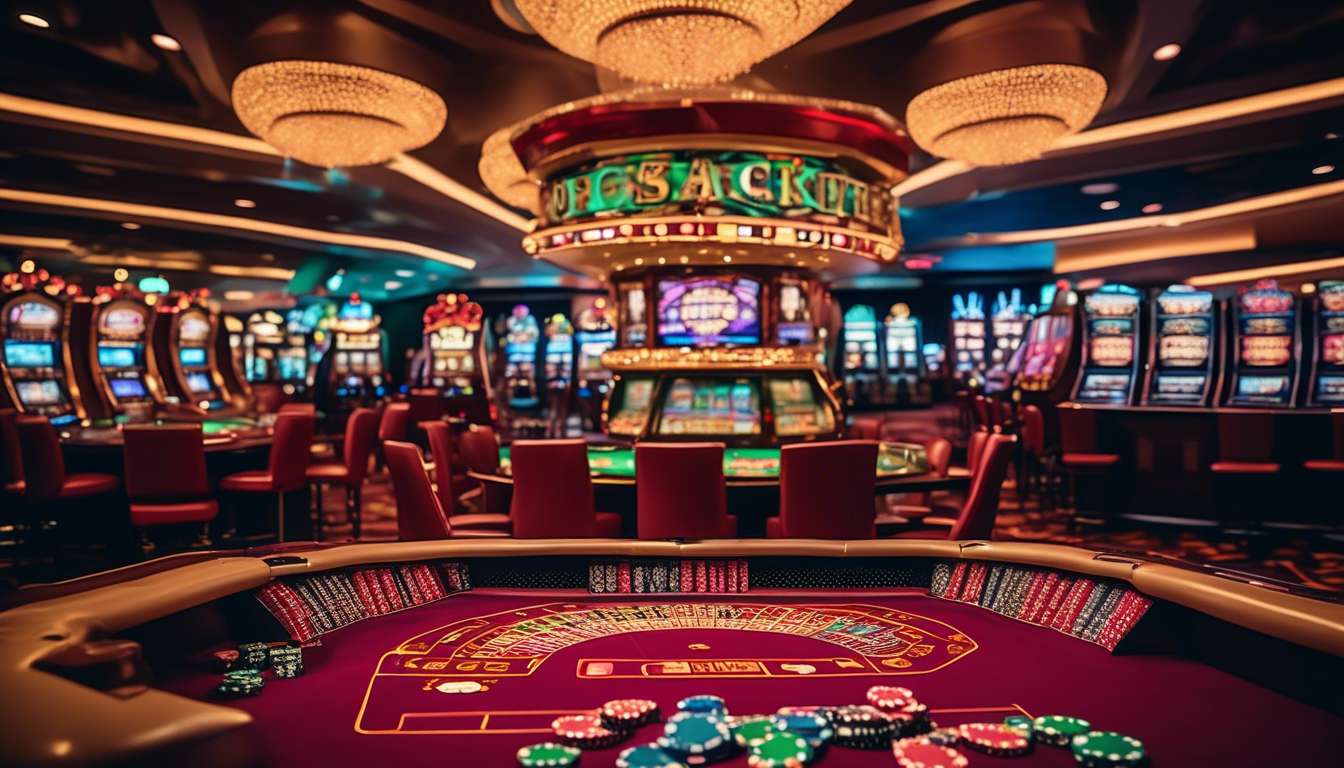
In ancient China, gambling was also prominent, with the invention of a game similar to modern-day keno documented around 200 BC. The practice quickly spread to other cultures, illustrating the universal appeal of games involving chance and luck. This early gambling laid the foundation for more structured forms of betting and gaming in societies across the globe.
The Rise of Organized Gambling in Antiquity
As societies developed, so too did the complexity of their gambling practices. By the time of the Roman Empire, gambling had evolved into a regulated activity, complete with betting houses and organized competitions. The Romans favored games such as dice and various board games, often involving wagering among soldiers and citizens alike. These activities became so entrenched in their culture that they were often depicted in art and literature.
Additionally, the legal framework surrounding gambling began to take shape, with laws governing the conduct of games and ensuring fairness. This marked a significant shift towards recognizing gambling as a legitimate form of entertainment, paving the way for its acceptance in later societies.
The Influence of the Middle Ages and Renaissance
The Middle Ages saw gambling face both restrictions and renewed interest. Many religious authorities condemned it, viewing it as a vice that could lead to moral decay. Despite this, the era also saw the emergence of games like cards, which became increasingly popular among the nobility. The invention of playing cards in the 14th century marked a significant development, allowing for more intricate games and social interactions.
During the Renaissance, gambling began to flourish again, influenced by the rebirth of arts and culture. The establishment of the first official casinos in Italy, such as the Ridotto in Venice, showcased the growing acceptance and commercialization of gambling. This period set the stage for the modern casino, with structured games and regulated betting becoming the norm.
The Birth of Modern Gambling and Casinos
The 19th century marked a major turning point in the evolution of gambling, particularly with the emergence of Las Vegas as a gambling hub in the 20th century. The legalization of gambling in various parts of the world sparked a boom in the establishment of casinos, attracting millions of players seeking excitement and the chance to win big. The development of slot machines and other games of chance expanded the options available to players and helped casinos thrive.
Moreover, technological advancements, such as the introduction of electronic gaming machines in the 1960s, revolutionized the casino experience. The appeal of gambling grew not just in physical establishments but also in the realm of online gaming, which began to gain traction in the late 20th century, further changing the landscape of gambling worldwide.

Exploring the Future of Gambling Online
Today, the gambling industry is undergoing a digital transformation, with online casinos offering unparalleled access to games and betting options. Players can enjoy their favorite games from the comfort of their homes, with many platforms providing lucrative bonuses and promotions. The rise of mobile gaming has also made it easier for players to engage with their favorite gambling experiences anytime and anywhere.
This shift towards online gambling is expected to continue growing, especially as technology evolves. Players now have a wide variety of gaming options, from traditional table games to innovative slots, enhancing their overall experience. With a focus on user-friendly design and instant withdrawals, modern online casinos strive to meet the demands of both casual and high-stakes players alike, ensuring a thrilling experience that honors the rich history of gambling.
